Why pain lingers after rehab, and the building blocks your body needs to heal
Oct 25, 2026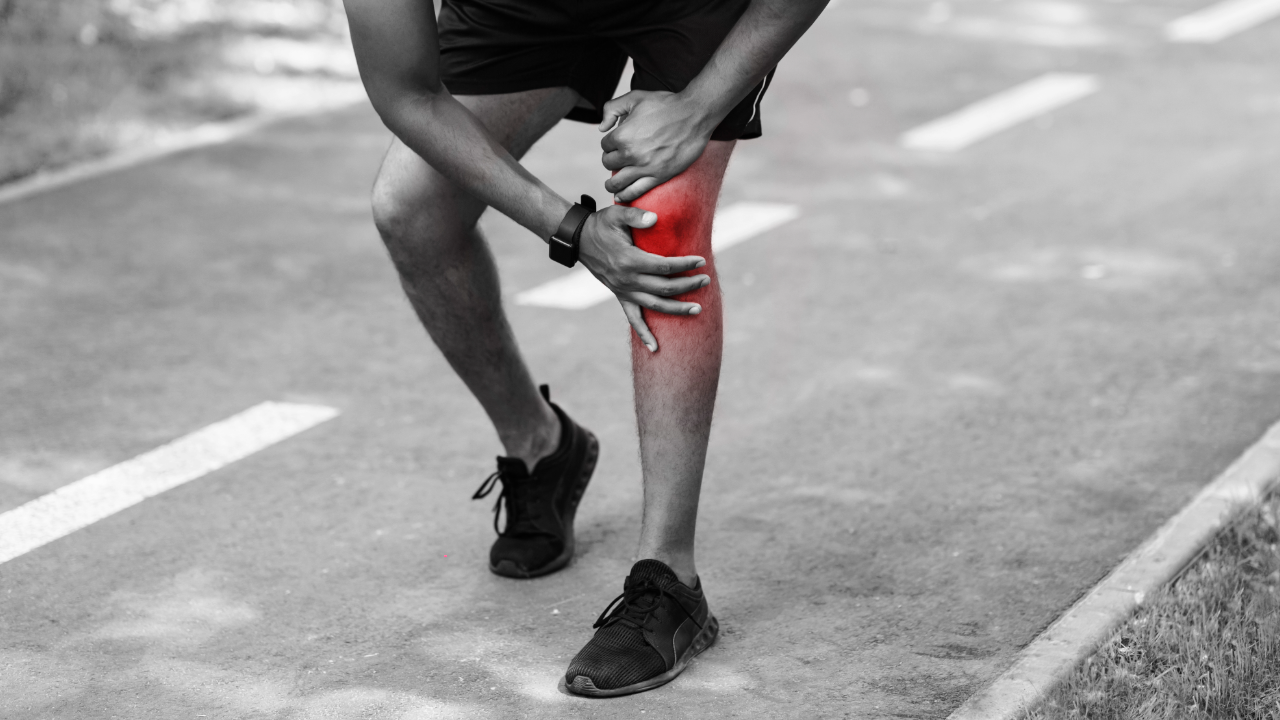
Rehab matters. Your body also needs the building blocks to rebuild itself.
Your scan's clear. You've done the rehab. You've been told it should have healed by now. And it still hurts.
I know that place well. I played contact sport for a decade, including the NRLW, and I've lived and rehabbed through multiple surgery's and physical injuries. Since then I've treated everything from brain injuries to fractures, torn ligaments and low back pain.
The same pattern keeps showing up. When pain lingers well past normal healing time, it's rarely only about the injured tissue. The rest of the body is part of the story: how you're sleeping, how well you're fuelling, and whether you have the raw materials to rebuild. Rehab is essential. It just can't do its job without those building blocks.
Why pain can outlast healing
The International Association for the Study of Pain defines chronic pain as pain that persists or recurs for longer than 12 weeks. That's often beyond the point where the tissue itself has largely healed.
Pain isn't a simple readout of damage. It's your nervous system's judgement of how much protection you need, and that judgement is shaped by more than the injury: sleep, stress, inflammation, fatigue and how well-resourced your body is to repair.
That's why two people with the same injury can have very different recoveries. And it's why, when pain won't settle, it's worth looking beyond the sore spot.
Sleep: the lever most rehab ignores
Sleep and pain feed each other. Pain makes it harder to sleep, but the research suggests the stronger direction runs the other way. Researchers who pulled together the studies on this found strong evidence that short or broken sleep makes you more sensitive to pain. They also found a bad night is a better predictor of a painful day than the other way around.
In plain terms, a run of bad nights can turn the volume up on pain you already have. Improving sleep won't replace rehab, but it can make the rehab you're doing count for more.
The basics matter: a consistent wake time, daylight in the morning, caffeine finished by early afternoon, and a cool, dark room. If you're waking with pain every night, raise it with your GP.
The building blocks
Enough fuel
Healing costs energy. Sports scientist Kevin Tipton notes that injury itself can raise energy needs by roughly 15 to 50%, depending on the injury, and that severe under-eating can impair wound healing and speed up muscle loss. A lot of people quietly eat less when they're injured and training less. It's one of the most common things I see slowing recovery.
Protein
Tissue is rebuilt from protein. Tipton's guidance is that protein shouldn't drop suddenly during injury, even if overall food intake falls, and that around 2 to 2.5 grams per kilogram of body weight a day may be warranted for active people recovering from injury. Spread it across your meals rather than saving it all for dinner.
Collagen, vitamin C and iron
Tendons, ligaments, cartilage and bone are built largely from collagen. Your body makes collagen using enzymes that need vitamin C to work, and those enzymes also rely on iron. Low vitamin C or low iron stores can mean your body is short on the tools it needs to lay down new tissue.
There's also early research on collagen around training. In one small study, eight young men took gelatin with vitamin C an hour before short bursts of exercise. Their blood showed about twice the signs of collagen being made, compared with a dummy drink. It's promising, but it's only eight people, and it measured something in the blood, not whether injuries actually healed faster.
Food first: collagen-rich foods like bone broth, slow-cooked cuts and skin-on fish, plus vitamin C from capsicum, citrus, berries and kiwi fruit. Any supplement is best chosen with a practitioner and targeted to your results.
Tendons that won't settle, and the blood sugar link
Tendinopathy is the name for a sore, overloaded tendon that's slow to recover: think Achilles, patellar tendon below the kneecap, the outside of the hip, or tennis elbow. It's one of the most common reasons people get stuck in rehab.
Tendons are almost pure collagen, and they turn over slowly. That makes them sensitive to everything above, and to one thing people rarely connect with tendon pain: blood sugar.
When blood sugar runs high, sugar sticks to collagen and forms bonds that can make tissue stiffer and more brittle, and may slow repair. Much of that evidence comes from lab and animal studies, but the human picture lines up. When researchers combined 17 studies, people with diabetes were more than three and a half times as likely to have tendinopathy.
You don't need diabetes for this to matter. Blood sugar that's creeping up, big swings through the day, and under-eating followed by big sugar hits all put extra load on a body that's trying to rebuild. Keeping it steady means protein and fibre at each meal, carbohydrate placed around training, and not running on coffee until lunch.
I've seen this in clinic too: [PATIENT EXAMPLE].
Bloods worth checking when pain won't settle
These rarely get looked at in rehab, and they're worth asking your GP about:
- Ferritin and full iron studies. Iron is needed to make collagen. Australian guidance for doctors says a ferritin under 30 means low iron, even if the lab range starts lower. Ferritin also rises with inflammation, so it can look normal while stores are low. Read it with CRP.
- Vitamin D. When researchers looked across all the studies, most found that people with lower vitamin D tended to report more pain. They're clear it's not proven that one causes the other. It's worth knowing your level rather than guessing.
- B12. It's needed for healthy nerves, and low levels can cause numbness and pins and needles. A standard B12 test can miss deficiency in the lower part of the range, so ask about active B12 if yours sits there.
- Blood sugar (HbA1c and fasting glucose). HbA1c shows your average blood sugar over the last few months. It's especially worth checking if you have a tendon that won't settle.
- CRP, a marker of inflammation. Ongoing inflammation can keep pain turned up, and it changes how other results should be read.
One result on its own rarely tells the story. The pattern across them, alongside how you're sleeping and eating, usually does.
What to do this week
- Keep doing your rehab. None of this replaces it.
- Eat enough, even on rest days. Don't cut food because you're training less.
- Get protein at every meal, and include collagen-rich foods a few times a week.
- Keep your blood sugar steady: protein and fibre at every meal, and don't skip meals then crash. Add a vitamin C food to each meal: capsicum, citrus, berries or kiwi fruit.
- Protect your sleep: same wake time, morning light, caffeine done by early afternoon.
- Ask for your bloods: full iron studies, vitamin D, B12, HbA1c and CRP, and keep a copy of the numbers.
Where to start
If you've done the rehab and you're still not where you should be, it's worth checking whether your body has what it needs to rebuild.
Your bloods read against functional optimal ranges, with a written report and three priority actions.
Find where to startSources
- International Association for the Study of Pain, Definitions of chronic pain syndromes
- Haack et al., Sleep deficiency and chronic pain, Neuropsychopharmacology, 2020
- Tipton, Nutritional support for injuries requiring reduced activity, Gatorade Sports Science Institute, 2017
- Lindshield, Nutrition: Science and Everyday Application, Vitamin C enzymatic functions
- Shaw et al., Vitamin C-enriched gelatin supplementation before intermittent activity augments collagen synthesis, American Journal of Clinical Nutrition, 2017
- Ranger et al., Is there an association between tendinopathy and diabetes mellitus?, British Journal of Sports Medicine, 2016
- Snedeker and Gautieri, The role of collagen crosslinks in ageing and diabetes, Muscles, Ligaments and Tendons Journal, 2014
- Alonso-Pérez et al., Relationship between serum vitamin D levels and chronic musculoskeletal pain in adults, Nutrients, 2024
- Baird-Gunning and Bromley, Correcting iron deficiency, Australian Prescriber, 2016
- Harrington, Laboratory assessment of vitamin B12 status, Journal of Clinical Pathology
Subscribe to my newsletter
Root-cause health explained simply.
I hate SPAM. If you've over it unsubscribe whenever. We will never sell your information, for any reason.